



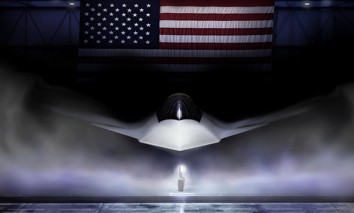
Boeing wins Air Force’s next-gen fighter contract
The company beat out Lockheed to build NGAD, which has been named the F-47.
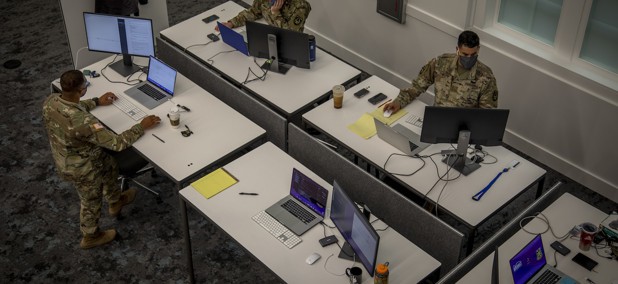
SecDef’s software memo causing ‘angst,' defense official says
But that just shows how much the buy-it-faster directive was needed, the Pentagon's acting weapons chief said.


This AI startup wants to give federal workers a taste of the intel community
Using AI that learns from images and video, Danti’s platform puts the power of an intel analyst at the fingertips of anyone with a .mil or .gov email address.


As space becomes more crowded, Space Force turns to AI
The newest service wants to understand where automation can augment—or even replace—humans in monitoring space for threats.

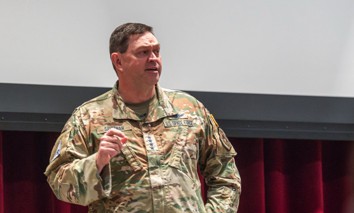
Space Force sets up team to sort out support for ‘Iron Dome’—that is, ‘Golden Dome’
The service will be “central” to the effort to build a next-gen missile shield, Gen. Saltzman says.

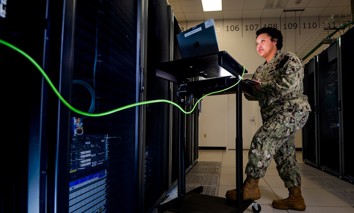
Pentagon plans for unified digital access tools across military this year
The Defense Information Systems Agency is working on a streamlined identity solution that spans the military departments.


Drones are the next chapter in US-India’s defense partnership
Trump-Modi meeting produces an agreement to expand industry cooperation, production in the Indo-Pacific.
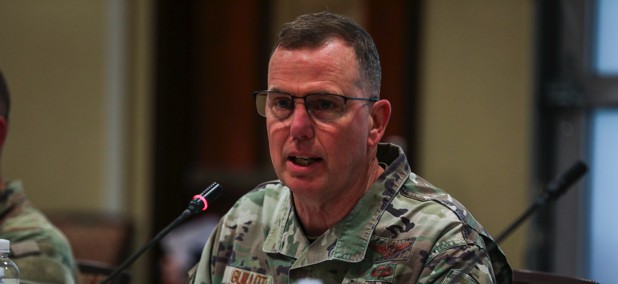
America’s ‘Iron Dome’ is going to need a lot more sensors: NORTHCOM
But a key part of the sensor integration could be done in less than a year with proper funding, the leader of U.S. Northern Command told lawmakers.
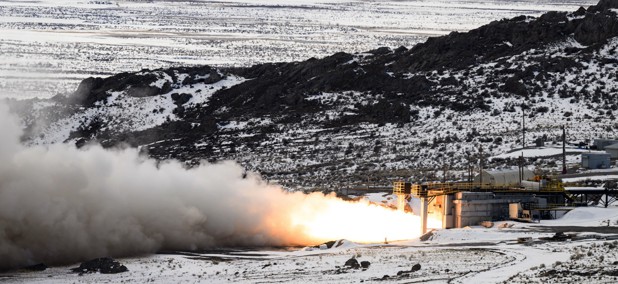
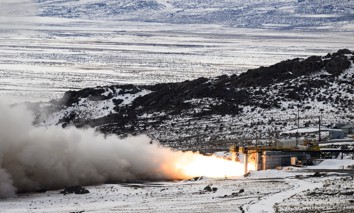
Air Force has halted work on parts of its ICBM program
Work on the Sentinel command and launch segment is on hold due to “evolving” requirements, officials say.
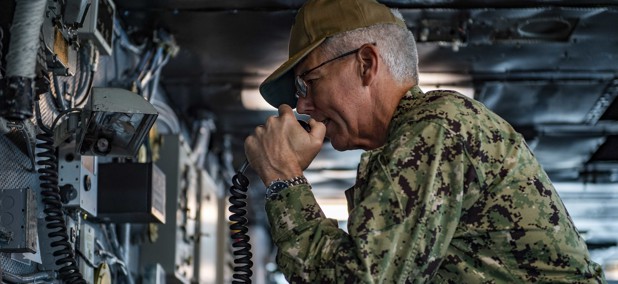

Navy ops centers need AI to sift through troves of intel data
As ships collect ever more sensor data, Navy information warfare officers have to figure out how to quickly process information without getting bogged down.
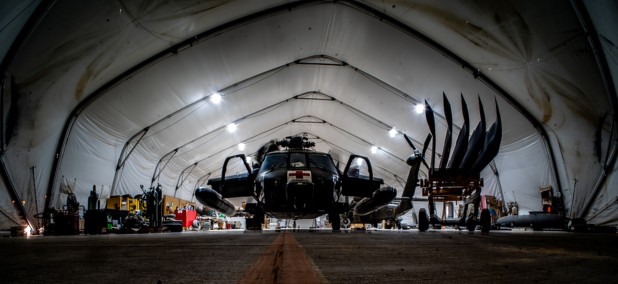
Is bad data to blame for missing weapons parts?
The Army, Defense Logistics Agency, and Pentagon are working to make data-sharing easier and improve supply-chain woes.


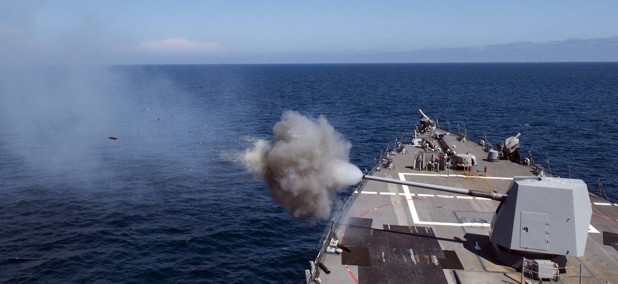

Navy looking for solutions to power, outfit new destroyer
Weapons options include 5-inch guns and lasers, surface warfare director says.
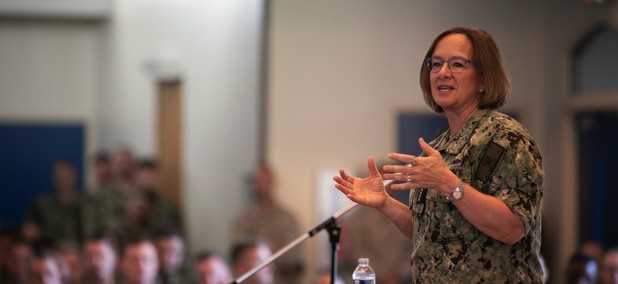
A new dashboard is helping the CNO keep tabs on readiness and more
Navy data scientists built the tool to help Adm. Franchetti and her staff track top-priority topics with a few clicks.


2024 in review: Defense systems
Satellites, bombers, and drones of every description are just some of the year's top systems stories.
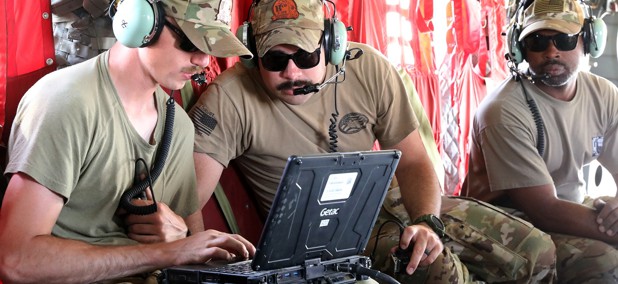
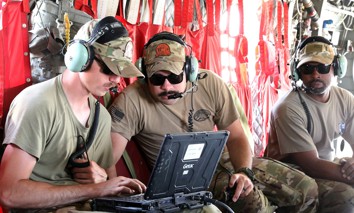
Army eyes data platform upgrade for 2025
The service lengthened its contract with Palantir before releasing a sketch of its plans for its next-gen Army Data Platform.
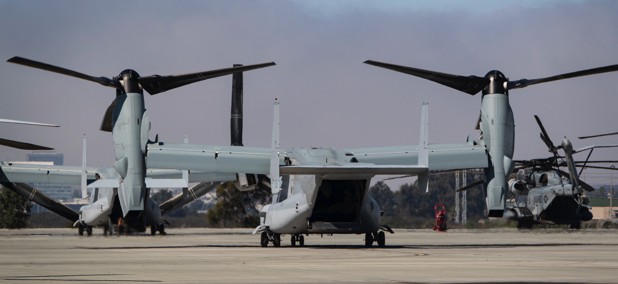
US Ospreys to resume flight after gearbox inspections
New flight restrictions added after part failed in last year’s deadly crash.

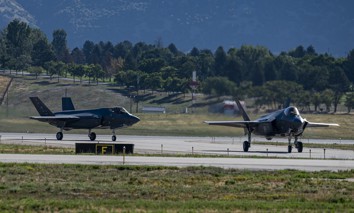
Air Force may curtail F-35 plan if newer tech pans out, SECAF says
Outgoing secretary Frank Kendall also clapped back at recent comments by Elon Musk about manned vs. unmanned systems.
Featured eBooks





Recoil, hold the smoke: the latest in military sims
A walk around the floor at the I/ITSEC training-and-simulation conference.
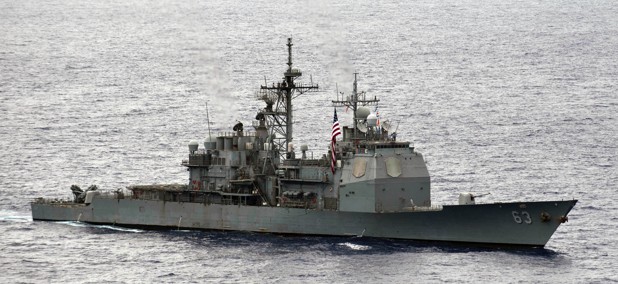
‘Navy wasted $1.84 billion’: GAO slams cruiser-rehab effort
Poor planning, myriad changes have marred the Congress-mandated effort to refit Ticonderoga cruisers for five more years of life.


Marines will spend nearly $1B to develop littoral warfighting, upgrade tactical systems
ManTech will do both jobs under two five-year contracts.
